Brown Posey Press Show--Interview w/Scottie Miller
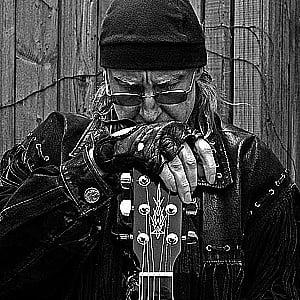
Description
Vocal Characteristics
Language
EnglishVoice Age
Middle Aged (35-54)Transcript
Note: Transcripts are generated using speech recognition software and may contain errors.
Welcome to the Brown Posey Press Show. Part of the book's Big Network, a program dedicated to independent and self published authors. The show will examine new and unique works of literature, learn about their creators and discuss the industry. And now your host Tory Gates there on the street lies a gum spat out by every New Yorker and tourist along the sidewalk of every corner of every street and avenue drive like some spot of Dalmatian and patterns of polka dots. Sorry. So there in the air just under your nose drifts the smell of a million hot dogs, dumpsters, cardboard, dead rat, delicious Thai food, arid coffee, bistro, Marinara red sauce pasta tacos. Uh New York horn hockey dragged out junkie, broken down jazz, burnt out rocker, high flying trader hustling model trust fund board skater, unhappy waiter. All of us swirling a pot of steam. Soup, steam. So a bit of a New York. Our guest is a musician, a songwriter, a singer and also a poet. As you will hear more of Scottie Miller has a career that has him inducted no less than three times into the Minnesota Blues Hall of fame. He has 11 albums in his discography has toured with the likes of Beau did and currently tours with four time Grammy nominee, Ruthie Foster. His songs have been recorded by the likes of Foster and the Blind Boys of Alabama. His new work Carnival Cocoon is a collection of poetry in five parts. Many of these pieces accompanied by music and a CD and we have him today. Welcome, Scottie. Hey Tory. Thanks for having me. How are you? I am doing fine. Uh I'll tell you what this has been a collection to read and listen through for a while. And normally I have to do this anyway, as part of my research and to get to know who I'm talking with. But I'll tell you, I, and this is no joke. I listened to this album on repeat while I was working around the house in different time as well and it's come together, it just flows incredibly well and I realize this has been a lot of work. But first Carnival Cocoon. Where does this title come from? Yeah. Well, thank you for that and taking the time with it. Um Carnival Cocoon. Uh The title Yeah, of the project. It, it comes from uh a poem contained in the book and on the CD set to music uh titled on New York. And it's the last line of that piece. Um uh All are welcome in the Carnival Cocoon about the sights and sounds and smells and experiences I've had around New York City. Uh My editor Candy and Wall out in Vermont um was helping me run through just, you know, editing these, these poems and, uh and, and, and she was the one that recommended um that I use the tile, the book and it morphed into a carnival cocoon. So, and I thought it was just a perfect idea as it represents. Not only that, you know, on the arc uh scene, but it really helps encapsulate the whole book and the content of, of the whole project, the music too because it's here. We are in this, in this carnival cocoon, this uh wild, wonderful gigantic world with its, you know, joys and its troubles and, uh you know, so II, I just, uh I grabbed on to that and, and away we went, you know, and we're all performers. We're all, we're all sort of like acts as it as it were in the, in the big show. Yeah, that's true. And, you know, it just did fit as I'm kind of doing the sort of the Ring Master if you will, of the, of this project, self produced self, you know, uh independent artist that I've been for so many years. So, um yeah, so I really just ran with that and I, I talk a lot about the rat race, the busyness of this world and, and so I kind of link those, those concepts together there too. Um You know, the carnival cocoon. We're all in this world together and it can be pretty chaotic. You know. Now these are all pieces that came over. I, I would assume quite a period of time. Uh, how did they all finally make their way into the book? There must have been like a cut process or whatever. Yeah. Um, yeah, I originally, uh, thought I would, uh, create just a, you know, a smaller Zine or chat book or, you know, something rather than a full collection. Um, but as, you know, I, it, it ended up being a full five chapter collection of the poems. But I had, I don't know, 67, 800 different poems that I, I compiled some within the last 34 or five years. Um, and a few that were maybe a little bit older than that. Um, and, and some brand new current as I was putting it together that I was writing at the time. Um, and so I printed all of them off so that I could have a big pile to just go through, to formulate the book. And I just sort of, you know, I, I gave them each, a star rating 1 to 5 stars, you know, me and my friend went through them all and just went through them a few times and started putting them in ABC piles, you know. Um, and then I started to see sort of a pattern get created with the the five chapters, they all ended up with, um, you know, a sense of place, sense of time, uh, you know, stories roaming and touring and, uh, you know, uh, romance, um, nature. And so, um, I think I ended up with about 100 and 50 that, you know, felt inspiring and, and I sent that batch to Candy and Wall at, at Mud season, uh, review. They were doing a, an, you know, an editing of special um and uh around uh the holiday time, they were doing a, a discount on, on a full editing of a full manuscript of whatever you wanted to send in. And I did that and she went through and um after her first edit, then I sat and reorganized again and then I went back to her a little while later and helped me move forward and she agreed and, and away, we went. Um So that started maybe a year or two before the pandemic hit, you know, and just, just putting it together going through it with her. And then as the pandemic hit, I found that I had the time to continue, you know, to, to pursue the, the, the book in a more formal way, you know, is there any thing that made these stand out apart from your songwriting or did these begin? Do you think his songs are just poetry? How do they, how do they split for you? Um Yeah, it's a good question. Because I've always, that was a part of this process for me is I've always been a little bit confused why? To feel a little bit of a disconnect between the, my poetry writing that I've done all my life and my songwriting as I've done all my life, um I, I think the two, they, they automatically link but I, I find of uh of freedom in the, in the, in the poetry writing um that it is just more free flowing and um uh uninhibited by, by any kind of rhythmic structure necessarily. Um And I, I really enjoy that freedom. So I was always just trying to, I'm like, hm, I'd like to link that to my songwriting and to my music in a different way. I mean, why do I feel that there's a gap when you can sit down and, and write in a notebook or on pieces of paper or in my little notepad on my phone, um, and have a certain, a certain style that way. And then when I sit down at the piano and write, uh I can, why does there, why is there like a, a disconnect? And, and so that was kind of intrigued me, I guess, you know. Um And, uh and so I found that it, what I did is I first, it started with the poetry and I took that pile, I was telling you about, of poems and set it on the piano and just started, you know, whipping through them and improvising as I read them aloud. That's how it felt to me that the, the, the music felt very much like you were sort of, it was like poetry slam with music or something. Yeah. I mean, some ideas would work naturally organically and others just wouldn't, you know, they just didn't have a, a good, I don't know, they just didn't, you know, I didn't think much about it or put too much. Uh um, thought I just let the music flow underneath and then I started just doing, throwing, you know, just recording at home and throwing the ones that didn't gel just on the floor, you know, and uh scratching out little notes after I was like, oh, I like the way that, that works together with the piano. And, um, and so it morphed in a different way than I typically write, you know, songwriting and it was really liberating. That's why I, I say it's like, been the most liberating project I've ever done of like all my C DS. It just, it felt really good um, to break down habitual process of songwriting, you know. Yeah. And we may have talked about this a little bit a moment ago, but you set the poems up uh into five parts and they all work on really interesting themes. And I, I was, I was very intrigued by that. Uh The first one walking on eggs. Yeah. That's uh, you know, because I've heard the term walking on eggshells and around some people you feel like you have to do that. Right. Yeah. Yeah. Yeah. And so was that For Life or, or, or for, for performance or for, what do you think? Yeah. And, you know, I think, uh, it's, it's more of a, uh, that title in particular for chapter one is, you know, it's just a little bit more about, um uh it's kind of a story if you will, but it's also AAA work around nerves and anxiety. Um It intertwines through uh a few different pieces of, of history in my life. Like, uh you know, uh busy bus rides downtown and the slippery January snow, the old man who used to call me Whipper Snapper. I like that guy. Um that, that verse or Stanzas is from when I was uh a kid and I would uh get out of junior high school and I would take the, the, the bus downtown for piano lessons. And um you know, as a young kid in about what 7th, 8th grade it was, it was kind of a trip, you know, and I would go downtown and I would have my lesson Peter Murray and work on jazz. And um so where I first picked up on Spain and Chick Korea and Peter was great. And so then I get done with the lesson and I wait at the bus stop and there was always this old old guy that would, how are you doing? Whipper? Snapper? So, so some of it just like fragmented, like memories that that came, came up, you know, and uh you know, recalling those, those trips home, long trip home, so many stops, melodies of chicks sewing through my soaring through my head. The music I was fed the life I've led the sunken warp to my bed. So, uh you can maybe detect the sunken warp to my bed is like actually referring like it brought me into the current time when I was writing this, um, what 45 years ago, maybe, um, where I'm, I'm in my bed, laying in my old bed, you know, writing this stuff and just kind of recalling and coming into the, into the, the current time. Um, and reminiscing on a, on a, a AAA really interesting life. So, um, you know, it also goes into, uh, that one does, it continues to sort of go back to childhood. Um, you know, the, the, the last stand as tensing my belly rocking my legs lost out on Shelly. I'm still walking on eggs. So that goes back to when I was a kid and I used to like rock myself to sleep and I had this thing, we couldn't figure out why I kept tensing my belly, you know. So, yeah, I'm getting pretty vulnerable and personal with you here about this. But, but, you know, it gives you some context about how I, I probably had some kind of anxiety or whatever it was as a kid and I would rock myself to sleep and uh lost out on Shelley is when I, I took off for, uh, a relationship ended heading out to Berkeley to go to music school. And then, uh ending with I'm still walking on eggs is kind of like my life today. I still have that same kind of nervous energy if you will. You know, I know it still rock and tense my belly. But, you know, um, I have a pretty nervous disposition or a high anxiety, high adrenaline disposition. I share it. I, I definitely share it and I'm certainly no expert, but I think we all had something like that. It was, it might have been a coping mechanism. It might have just been an exhibit of that. Uh, when I was a kid, I had this nervous tick for a little while where I used to blink my eyes a lot and I used to do it a lot and it was almost obsessive compulsive because I was like, I could see just fine, but I was trying to clear my eyes and I was like, I didn't know why I did it and I did it for a little while and then I, I stopped and I don't know if it was just something, it was just, I think it was just one of those ways that I dealt with that as a kid. So, I, I mean, I think what you're talking about, the tensing of your belly might be, that might be just a way of doing it. I, um, I'm certain there's people who know a bit more than, than I do about that about what that really means anyway, that leads us to our break and I am going to get a little more into, uh, some of these uh early things. Scottie Miller is our guest on the Brown Posey Press Show, Carnival Cocoon, a poetry and music collection we're talking about and we will hear and discuss more right after this. Stay with us. Explore Sunbury Press books and find the work of talented authors in many genres. Ours, metaphysics is our spiritual New Age and Metaphysical imprint. Check out Pettengill, perfect Fortune Teller and Dream book by Pelata Pettengill. The Space between by Judith Bowen and works by Karim Al Kusa, including the Phoenician Code. Find out more by clicking on the books tab at Sunbury press dot com. I wake too many melodies. I wake to many melody day and night. If now come on soft wind with an icy nip. The house is worn by the spring sun. My lips have not had a sip and I wake to the author and composer is Scottie Miller and he is with us once again. Uh We talked a little bit about your history. Uh You grew up in Minneapolis thereabouts. What was you've given us a little bit of the upbringing of uh going down the street to uh have these lessons, this gentleman on the street, tell us about what, what it was like growing up in that story at that time. Yeah. Uh Thanks to um yeah, I, you know, um I had a, you know, a, a pretty sweet upbringing. I have to say, you know, uh I was involved in music and trumpet lessons and I was also involved in sports and then I was also a troublemaker. So I was like the burnout jock musician, you know, I kind of had that, um you know, troublemaker kicking in at sixth grade. Um you know, raising a lot of **** and, you know, so we, you know, I had that kind of diversity but also had just AAA life of a lot of variety and, and really um positive musical surroundings. My, my mom was a piano player. Um and, you know, got me into just traditional piano studies at, at age six. And then, you know, yeah, as I was going into, say, junior high age, I started to go downtown to a place called mcphail in Minneapolis, a great music school and, and got with somebody who is um not so much traditional and classical uh but versed in jazz uh Peter Murray and, and so then, you know, kind of moving forward into high school years. I had my sights set on Berkeley, I went out there in the summer, um, of my junior year of high school and had like a six week stay in the dorms and it was like a career exploration program where you, you, you take some classes and get a feel for it. And that's when I knew I wanted to go back, you know, once I finished high school. So those were kind of the, the early years for me. Um Then I had an amazing time at Berkeley while I was there and got out, ran out of money, came back home, joined, you know, started and joined a band. Um And that's all she wrote. You know, I've, I've been out there playing and touring and making music and recording and composing, you know, uh ever since there's so much to ask within that. Um How about the music uh when you were growing up? I mean, you're being exposed to music through your mom, through uh Mr Murray, you brought up Chick Care and people like that. What kind of music were you hearing early on? What got you? Mhm. Um I, you know, I was actually, uh you know, oh man, around the house, it was like, and there was he Harry Belafonte Records kind of a random random selection of stuff, you know, from Harry Belafonte to Neil Diamond to Elvis. Uh And, and then I remember getting turned on to Boogie Woogie Piano um somewhere from, from some piano books that I was, that I was into, that was when I was quite young still. Um, and then, you know, in high school we were, I was, it was all about rock and rock and roll, Zeppelin and Floyd and Hendrix. And, and so I was actually playing a lot of electric guitar. Then I was taking piano lessons. That was, and is my principal instrument. But, um I really liked playing guitar. And so, uh when I wasn't doing my piano studies, I was transcribing solos um from all the great rock band, you know, guitarists, so lead player on guitar than I am uh you know, a comping, you know, coral player. So, so there is something about that that I, I latched on to and so I was going to, you know, I was going to concerts with friends at, you know, it was like Z top and, and uh the doors and Van Halen and um, you know, uh Black Sabbath Iron Maiden, you know, Ozzie Osborne, I mean, I was really into the rock, the hard rock stuff, which was, which was uh the, the guitar rocker side of me and then, you know, and then going home and studying, you know, um Bill Evans and Chick Care and, and going down the jazz road and that's, that's just such a, that's such a rounded kind of uh just the exposition of all that, of or the exposure I should say of all these different things. And, you know, you're mentioning the music that my brothers grew me up on and they were more lean toward The Beatles, toward Rolling Stones toward Dylan and, and, and that sort of thing. But I of course, heard pretty much everything that you just mentioned and it was like I still felt and, and you mentioned Vermont, that's where I'm from. And, uh growing up there, it was like, it felt kind of, I guess it felt a little bit closed off because I didn't listen to as much as other people did. And it wasn't until probably that I went to college and that I really started to listen to the music that I had only heard a bit of because so many people were playing different things around me and then all of a sudden it comes out. But um I, I wanna ask you one thing is there a way that you can describe your, your style because uh you have so many influences being given. Was there any thing that said you want to be a certain type of player? And then maybe you became yourself, do you know how, how would you describe it? Yeah. Well, with, with all that I mentioned and then, you know, moving forward in time, those, those other influences start coming in of old soul and blues and New Orleans blues. And so I am definitely a sponge, you know, um So stylistically, I feel like a sponge because I've got the classical jazz rock blues, you know, um you know, every style affects me and, and I, and I'm like a sponge to it. So, um I think, you know, if you, if you go back in time, iii I probably, I wanted to be like a full fledged jazz pianist, you know, I'd say, you know, like when I went to Berkeley, I was like, I wanna be a jazz piano player and I want to do film scoring, you know. Um And then as I left and, and started writing and recording more, you start to see your style, you know, formulate and I was picking up on R and B and funk and soul and producing and writing and creating. And so that made me this guy that sort of plays in a lot of different, you know, uh genres which, you know, I, I think is been a little bit to my a as far as like marketing or, you know, if you were to get that elusive record deal or um to be produced, I've often thought, you know, as a piano player, man and mostly noted in the blues, you know, you should get your boogie Woogie thing going and, and go down that road, you know, uh because then we know where we can market you, you know, I've had labels consider me and say, man, we really love this, love, that, love that. But then like, what's that? I don't know what to do with that. So, yeah. Yeah, I've, I've never stuck to one genre and you could say that's to my detriment. But of course, now, um I feel it's a, it's a bonus. I'm super grateful that I didn't stick to one style. I've, I've had the same thing with, with agents. Um, we talked before we came on, we talked about my books in the Sweet Dream Series and I had people tell me this is interesting, but we don't know how to place it and back of my mind, I'm like, I can tell you how to place it but trying to convince them. Right. Right. Right. I wanna ask you about Berkeley because, um I spent about 10 years in Boston working in the radio market. No one ever knew who I was. I was always the middle of the night guy or the producer, which was fine. Actually, I preferred it. And my girlfriend for the first few years I was there, went to Emerson. So I remember just the, the crossing of, you know, Emerson kids and people right up the street at Berkeley and all that. And then when I got involved in theater, I met people who, who went there or who, who even taught there and stuff like that. And I was just blown away by the talent of, of so many people and man, how, how did this happen? Because now I'm rubbing elbows and nowhere near the, the, the rank of any of these people, but I was just blown away by the talent and that must have been really something at Berkeley to, to be with all these different folks. Tell me about that. Yeah. Yeah, I hear you. Um, and definitely at Berkeley you, you're hit with that, um, right away. Um, I recall, uh, you know, the, the, the piano practice rooms at Berkeley, it's, it's a beautiful, beautiful thing, you know, it's just a hallway with soundproof room and an upright Yamaha upright in every room and, you know, chain smoking in this closed and closed piano room just shedding for hours, you know, and, yeah, same with every other instruments, practice areas, but you'd go down those halls to get into your room. Um, and, and hear everybody just, just lightly down the hallway, what's going on. I recall the, uh, um, Asian students, you know, I remember, uh, some friends from Japan that were just, you know, ridiculous, uh, level of playing, um, for their first year at Berkeley. And, uh, and then I remember hearing Brazilian, uh, friends, um, doing a big band stuff and they were maybe two year students. I'm like, whoa, you know. Um, so you felt a sense, you could feel a sense from, from a lot of people of, of, you know, they had an advanced gift at, at an early age. Um, so it was, it was just a beautiful beehive of of that, you know, um, or student bands that would play across the street or, or, um, have gigs in town that, that, uh, students would go and hear and, um, you know, you'd learn a lot. But, you know, I, I was also nurtured by, you know, I remember that, that Brazilian guy, I can't remember his name, of course. But it, it, you know, uh, he, he borrowed me like a four track recorder. He was really nurturing um other older, you know, further year students were, were having me sit in and jam and I learned so much, you know, it was humbling, but it was also they were nurturing, you know, they weren't cutting you down, they were um you know, trying to bring you in. And so that was a, it was a great scene. It sounds like one and now you mentioned you ran out of money, but there must have been a point where you're, you're like, this is what I'm going to do. This is it. And this just sounds like it was the, the encouragement you got for your music. You also noted that one of the teachers there gave you a lot of support for the, for the poetry as well. Yeah. Um Yeah, definitely my uh my English teacher, Claudia Stanger um was a huge support of uh of my writing and encouraged me to write um at least three pieces a day uh or poems a day. Took me out to some readings, took me over to, you know, Tufts and different little small bars and cafes, picked me up and took me out to, uh, to hear some poetry readings and things like that. And then my piano instructor, Craig Najar, um, has been a huge mentor, um, all these years and, and even more currently, um, you know, just helping, uh cultivate my, my focus and career and looks at my strengths and weaknesses and, um and just helps me try to stay a little bit organized, you know, sort of my silent manager. Um So those were huge, you know, huge things. Yeah, that, that were, yeah, I uh for sure. By the time I got to Berkeley, I knew I wanted to like, you know, live my life in music. I knew that a couple of years before I even got there. But after that even being uh sort of running out of money and I got a partial scholarship career scholarship that, that he and his wife Gail had um in place there in Berkeley. I actually got to go see him and Alan Holdsworth at the channel. Yeah, man, you know, the place and uh I got to go backstage and thank him in person, you know, for the scholarship. He gale, his, his wife was there and, and he said, hey, gale, you gotta come meet this kid, you know, he, he got part of the scholarship money, you know. So, I remember that I, I was, uh, flying on cloud nine, you know, shook his hand and shook her hand and, you know, I remember I'm like, I'm not washing my hands the whole weekend. I wanna go home, just play and, you know, so those are those kind of things. Yeah, they definitely cemented the deal for me and, and, uh, even though I ran out of funds, I was very much, um, inspired to continue uh with, with, with playing writing. Um and then I, you know, met different people that got me into situation where I was writing cori and, and recording. Very cool. Moving into my more adult career, jingles TV, commercials, albums, uh you know, big R and B funk bands that we had out on the road. Um So we had a lot of fun in those times. Well, I'm gonna ask you a little more about that fun in just a moment. Scottie Miller is our guest on the Brown Posey Press Show Carnival Cocoon, his poetry and music collection. We'll have more coming up after this. You stay with us. Sunbury Press books brings you the history of Pennsylvania. Check out Lancaster's Golden Century, 18 21 to 1921 by Hmj Klein Donald Kent. The French invasion of Western Pennsylvania or the Keystone Tombstone series written by Joe Farrell and Joe Farley. Click on the books tab at Sunbury Press dot com and find works of history fiction and non fiction from the Keystone state. The empath heals and lives while the greedy sink their teeth into the flesh of the vulnerable, remorseless of the womb. The pusher never gives the taker sits beneath, ready to lunge, take any and all regardless of his doom. Depending on which side you sit. It matters not if you can see the blindness darkens both the lights of hope and hate. The Yin and Yang temperance or intolerance, water or searing fire. My ocean in your country mingle in the loss of civility. Leveling the imbalance squelched by desire. The charred roots of a new tree collapse in front of whose eyes can see. The only difference in you or me is a restless ancient melody. Patiently waiting for us to open the door as we all yearn for something more. Yin and Yang. Uh Scottie Miller is our guest once again, Carnival Cocoon. His latest poetry and music collection. That's one of the pieces and we were talking about at this point. You are out on the road, you're in bands, you are doing your own music and stuff. One thing that I've always had was I was someone who wanted to be a songwriter and I mean, I did write a little bit for a band. I was in some years ago and I started writing poetry and then thought some 35 years ago, uh This sounds more like a song than a poem. So that's how I picked up guitar in the first place and the difficulty that I noticed over the years there's a difficulty for the writer and, I mean, you can write your own songs but how difficult is it really to get your stuff before someone else that's picking songs or maybe, doesn't write as much? How hard is it to get the ear or the eye of someone that maybe you admire and think God, this, this guy could do my song. What, what is that part of it like? Mhm. Uh You know, I've had, uh I've had probably, I've had different experiences around that. Um You know, I've laid my music on various people that I've met in, I don't know, you know, for me, typically Tory, it doesn't really gel into much. It's been for, for me it's been a little bit more like random. Um You know, I remember uh opening for Ray Manzarek and I, I was so excited, you know, like it's freaking Ray Manic. And so I brought like every CD I had in a big envelope and a letter and, you know, and uh you know, and, and gave it to him and whatnot and um now I have no idea what happened to it. You know, he may have thrown it away, he may have listened to it, he may have listened and then thrown away. I don't know, it doesn't really matter. Um You know, the gift was there, it was a beautiful night. Um, just same. I've shared music with Doctor John, um, and albums and we've had just amazing discussions, um, with the people like, uh, Ruthie Foster who I've done some cow writing. I found some traction where, um, we can cori or we can send ideas back and forth and it's been fruitful and, you know, uh, but it really, you know, I think it just, it, it, it comes down, I've done cow writing with other people too. If something gels it gels. If it's strong, great, you move forward. If, if not you just, it's like, hey, that was a great experience, you know, a growth experience. Um The, uh you mentioned earlier, you know, the Blind Boys of Alabama, the opportunity came up uh to Ruthie who then conveyed it to me, hey, the Blind Boys are looking for, you know, new material uh for their, you know, songs for the new album. This look, this would be a great, you know, opportunity for, for you and I to, to work on something together. And so I was super, you know, inspired and excited about that. And while we were out on the, one of the legendary rhythm and blues cruises at the time that she brought it up, you know, I couldn't wait to get home and, and work on something. And so that's where the, the song I was called was born. You know, it's like the day after I got off the cruise, I was so excited to try to come up with something and, and share it back with Ruthie and then we just went back and forth on it and, and, uh, you know, I feel a strong piece came out of it um that they ended up liking and deciding to record. Um So, you know, I'd say my, uh you know, again, it's kind of random here and there and you never know. And a lot of, a lot of uh Cori with Ruthie's new album, Healing Time, you know, um came up with healing time and co-wrote with uh Easy Cruz and Ruthie and had and Sayers in the end all ended up contributing to that song, which is the title track or her new album, you know. Um And Ruthie is something, something else. I mean, it's, uh I have to confess, I did not know who she was until I uh got a hold of the album with singing the blues and all these other really cool pieces on it. And it, well, you know, it has become, and Ruthie was very kind to let me use lyrics in the first two books of the series from singing the blues because that became well, I needed a song and I needed something for our, for the, for the hero and a to just sort of fool around with, I think she initially was just humming to something that was, she was listening to and I thought she needs something. And all of a sudden, I juxtapose that song to her and it was like, this is the kind of thing she would have fallen for. She would have been emotionally attached to and said, this is my life right now. And that was such a great song. And, uh, no, I got to interview Ruthie some time back for that record. And, uh she was fantastic to speak with. And what is, when did you come across her? And, and how did you two click, what do you think happened there? I met Ruthie um in 2006. Uh I was in, invited and uh to back to be part of a band that was uh backing Bo did um for uh his uh boa did and friends us tour in 2006. So it was uh the lineup ended up being boa did. Um And then Alvin Young Blood Heart and Ruthie Foster. And so it was a Columbia artists tour that, that where they, they have like three artists, you know, each night, you know, uh you know, filling out the show, right? So, Ruthy was the opening act. She was solo and I had never, um I didn't know of Ruthie until then I'm like, who is that? You know, once I heard her voice, I was just like, oh, I'm so excited about this tour, you know, I'm already excited because of Bo and Alvin and, and now it's like Ruthie and I recall when she opened every night, I mean, half the time she just set the guitar down and go, you know, as she would say, I'm gonna sing a capelli, you know, and, um, just blow people's minds, including mine, you know, just singing a cappella. And, um, so we became good friends, of course, on this tour along with a lot of others on a part of that tour, um, It was a two month us tour and she was like, I never play up your way in Minneapolis. Not too often, you know, where would you recommend? I go? And I'm like, oh, you should check out the Dakota jazz club, you know, it's a great venue here in Minneapolis. And, and so I think it was about a year after the, the Bodley tour sometime in early 07 or something. Uh um She came and played the Dakota and invited me to, to play. And so, of course, I was super excited by the invitation and, and, and, you know, learned every song from every album that I could find, you know. And uh then in 2008, it was our first, you know, formal tour. Um, started out at the Safeway Blues Fest out in Portland, Oregon. Flew over to Nice France for a jazz festival and flew back to Portland Maine for the North Atlantic Blues Fest. And that was my first tour with Ruthie. And, uh that's cool. And, yeah, and I've been with her ever since. Well, here's a question I often ask and I've had people say this and the first time I ever heard it was Buddy Guy that said it. And I've asked other musicians about this and they've all generally said much the same thing of the music audiences in other parts of the world, like in Europe when it comes to music, like jazz or blues. And they sometimes feel like there's so much more at home over there because the people just are so invested in the music, they know it and they love it. Are European audiences or audiences in other parts of the world more receptive to say the blues or jazz or something, then maybe we appreciate it here in the States. Yeah, I think, you know, I think they've always had a AAA great home, you know, blues and jazz styles, um have always had a really, you know, um nurturing environment in, in Europe whenever I've gone over there. I've, I've certainly felt that years that I toured with the blues icon singer from here. Big John Dickerson, we did a lot of Europe. Um We played Paris a lot. We, we were all over the place over there um from, you know, Germany to France to Hungary. And um and I did sense, it's like a, you know, super enthralled audiences. I still do when we go over there. Um That's not to say or detract from, from the States here. Um And the energy that you can get. Um I think when, you know, perhaps uh us based artists are in Europe, there's, there's definitely a little bit more allure. Um uh you know, one thing I always remember about like European audience is, you know, they really get into clapping after every soul bet here too. Don't get me wrong, but it always stuck out to me. Um how in tune those audiences can be over there. That is cool. Well, you did bring him up, uh, did, what was it like being around one of the, one of the rock architects, I suppose? Yeah. Oh, he was great. He's just a sweetheart. Um, really great sense of humor, love to tell a joke or a story. Um And, you know, I, you know, i it's really a great sense of on, on stage and, uh, you know, typically the venue, these mostly big theaters would have a spotlight on them, you know, and, and be would always be like, hey light man, why don't you take that spot off me, go get a cheeseburger, you know, take a break, go out, get yourself a cheeseburger, you know, and full house and, and he's, he's just like, he didn't like the spotlight, it's too bright and, uh, just to give you a sense, you know, a sense of his humor and, um, but he uh was super supportive and humble and all stories about um his uh you know, his beat the bow, did the beat being used here and everywhere. Um often in not paying homage or royalty to him for his massive contribution to the rock and roll history. So, um uh you know, we, we, we discuss things like that. Um I was reading Dr John's book at the time we were on that tour. Uh So was it Night Trip or? I it's like a, like a biography. Um I remember, I don't know the title but I think I know the book you're talking about. It's like you can see the names escaping me the title, but it, it went through a bit where Doctor John and other uh musicians were back in bow and the, in the south and, you know, ran into, um, you know, just trouble and the um segregated South and, you know, uh you know, the unfortunate stuff that they had to deal with and um you couldn't have a mixed, uh, you know, couldn't have, you know, African American and then white guys playing in the same band wherever they were or something. And the sheriff pulled by a blog, you know, and it's just ridiculous stuff. But uh ball ended up, he got out and finished the set solo. Um um you know, being a professional that he was as, as it, as it said, you know, and I, I ran back in the bus and I said, oh man, Bo you remember this? I'm just reading about you. He's like, oh, damn, I remember that. You know. So he went right there, you know. Um Yeah. But anyway, you know, he was a sweetheart. God bless him. Um I learned a lot from him and I learned a lot about how to just be, treat people kind and be professional and there's one other name. But when we think of Minneapolis, I'm gonna ask you about him. So many people think of Prince. Did you ever come across him? Yeah. Yeah. Well, with good reason we think of Prince, you know, man. Um and I did, I, I met him a few different times and had visited Paisley Park over the years uh with his main engineer, Tom Garnet, having us in his guest to look around. And then just right before uh Prince passed, I was doing a Ray Charles tribute with my friend **** Sterling and it was a big band and sold out a place just a few, not even a mile from Paisley Park at a place called the Chanhassen Dinner Theater. And we're getting into it and doing this really fun Ray Charles tribute show. And um and then all of a sudden I'm, I'm taking a solo and uh I let the good times roll and all of a sudden I hear **** kind of yell out, you know, Q I thought he said take another solo Scottie. I'm like, OK, so I start ripping into, like, you know, my second time around in a, in a piano solo but this guitar comes in and cuts me off and, and, like, guitar solo. I'm like, oh, ok. No big deal. Right. It's an audible, you know, maybe our guy Steve Morgan didn't hear, you know, whatever. I missed the cue. Go for it. So, I'm like, dang, that's a nice solo, you know, and because it's a big stage and I'm way down stage in, in front. So I had to turn around and look, and it's like Prince is playing. So, yeah, so he got, he got in there and snuck in and got on stage, got our guitarist Steve Morgan's guitar off of them and, um, and jumped in and, and jammed with the band for the rest of that tune and everybody lost their mind. That's a man. It was evidently the last public performance that he gave before. His untimely unfortunate passing, uh, with, uh, with a band. Yeah. And so we were, we were truly blown away, but I also met Prince, you know, when I was younger. Um, just because he was always out at clubs, checking other bands out around here everywhere in the world, but especially in Minneapolis, he could be anywhere. Um And so I remember asking if I could introduce myself to him and he was very kind and humble. It's good to hear. He's a, he's a big part of the vibe here. As he should be. That's cool. Well, let's talk a little bit now from what we know about Prince as an example, just the body of work and so much that we still don't know about or maybe hasn't been released yet. And you yourself, you have several solo albums, you're all self produced. Was it a conscious decision to keep control of your music? And just, I want to do it this way, kind of thing? Or does it hearken back to what you said about labels earlier that, uh, we don't quite understand that, but we like this kind of thing. Yeah, a little bit of, uh, I've, I've always been, um, you know, kind of plowing my own road with, with, uh self production and, um, uh, you know, just producing and using some of our great studios here locally in the twin cities. Um, and only on a couple of occasions where I tried to take the time, you know what I mean? In, in the, in the, in the process to solicit the songs and the album to a few different labels and a couple of different producers. And, um, as one time I, uh, you know, almost got, uh a bigger producer on it and it's just the, the timing and scheduling of it didn't work out. I'm like, I'm just gonna do it, you know, so I still would love to work with, um, a producer, you know, I've had the chance to do that with, with Ruthie um, on this last album where we work with multiple producers. Um, and it was a great experience, you know, uh, in the, you know, and, and, and II, I think it could be a, a, an interesting thing to really open your mind to someone else's perspective on how you might present that project and as you know, and hear many stories, sometimes not to your liking other times. Hm. You know, amazing. Um So you can only hope that whoever it is that you do work with, if I ever do someday, that we share a vision that, that, you know, helps me, um you know, portray the best that I can put out there. Um But thus far, it's been a completely independent road for me on every album I've done, you know, um my bass player, **** Chap has helped Copro produce a couple of albums. Um But, you know, he's a part of the band too, you know. So, um so that was a lot of fun. Um But he also helped me sort of build out to try to be, you know, exceed my, my level. That's the, that's the thing I'd be after with the producers that push, push you more than you can push yourself when you're in your own world, you know. Um But as a self produced artist, um there's also advantages to that and I'm aware of that. So when I go in, I try to push really hard. That's cool. Well, what is, what is next for you now? Oh, man. Well, I'm, uh, it's currently just, I'm, I'm, you know, continuing to, uh, we just started a new, as, you know, a publicity campaign for the book and the CD for Carnival Cocoon. So that's sort of just humming along. Thanks to, to guys like you and, you know, helping get the word out and Frank Roza. um He's my publicist in California. That's, that's helping get the book and the CD out in, in uh radio Land and, and review land. Um So, other than that, uh writing, composing, um continuing to tour with Ruthie, we're headed out this weekend to play in British Columbia and Washington a couple of festivals. Um And so the touring has been really good this year and in support of, of her new album, Healing Time. Um And we're having a great time out there, you know, obviously, too, since, since the pandemic has, has eased off. Um You know, we're, we're very busy and I'm staying really busy around the twin cities playing gigs with, with my Scottie Miller band and solo gigs and some duo uh gigs with my violinist, arranger Sierra Hill. And so I've been towards my next record. Um And so I've been doing a little bit of writing and recording around home, um the sing um to a lot of Nina Simone. All right. What I've been doing well, where's the place to get uh carnival cocoon, both the book and the album, where's, where's the best place to go? Uh You know, my website Scottie Miller dot com, Scottie with an Iesco tt IE Miller. And um, so all my, my C DS, the book and the CD are available there in physical form, but it's also in uh every digital streaming service um under Scotty Miller and Scott Miller band, all my albums and the new Carnival Cocoon. So everywhere you, you like to get your music and then you know, globally, the book is available. Um again, wherever you like to get books in paperback, in ebook, uh Amazon Barnes and Noble. Um you know, it's uh available globally through uh uh Ingram Content Group. And so that's been a nice thing because you can, you can order it no matter where you're from and, and it'll get to you. All right. Well, Scottie, this has been fascinating and I've had a great time talking with you. Oh, I hope so to, I appreciate you so much. Well, I know I appreciate you for coming on. This has been a blast. Our guest is been Scottie Miller Carnival Cocoon, the poetry and CD collection available. You've been listening to the Brown POY Press Show, Scottie. Thank you again. Appreciate it. Thank you to take care. You've been listening to the Brown Posey Press Show with your host Tory Gates. Find his works including searching for Roy Buchanan. Call it Love and Shake hands with the Devil along with more independent authors of fiction and non fiction at Sunbury press dot com. Thank you for listening. This is the books Speak Network.